.webp)
Scotland's AI Strategy 2026–2031 sets out an ambitious vision for AI as a trusted, economy-wide enabler across public services, industry, and research.
For GoLLM, one of the most encouraging aspects of the strategy is the extent to which Scotland already has many of the foundations needed to deliver on it: strong research capability, a growing AI ecosystem, and a public sector that has made meaningful progress on data maturity and responsible innovation.
Evidence of Scotland's AI Readiness
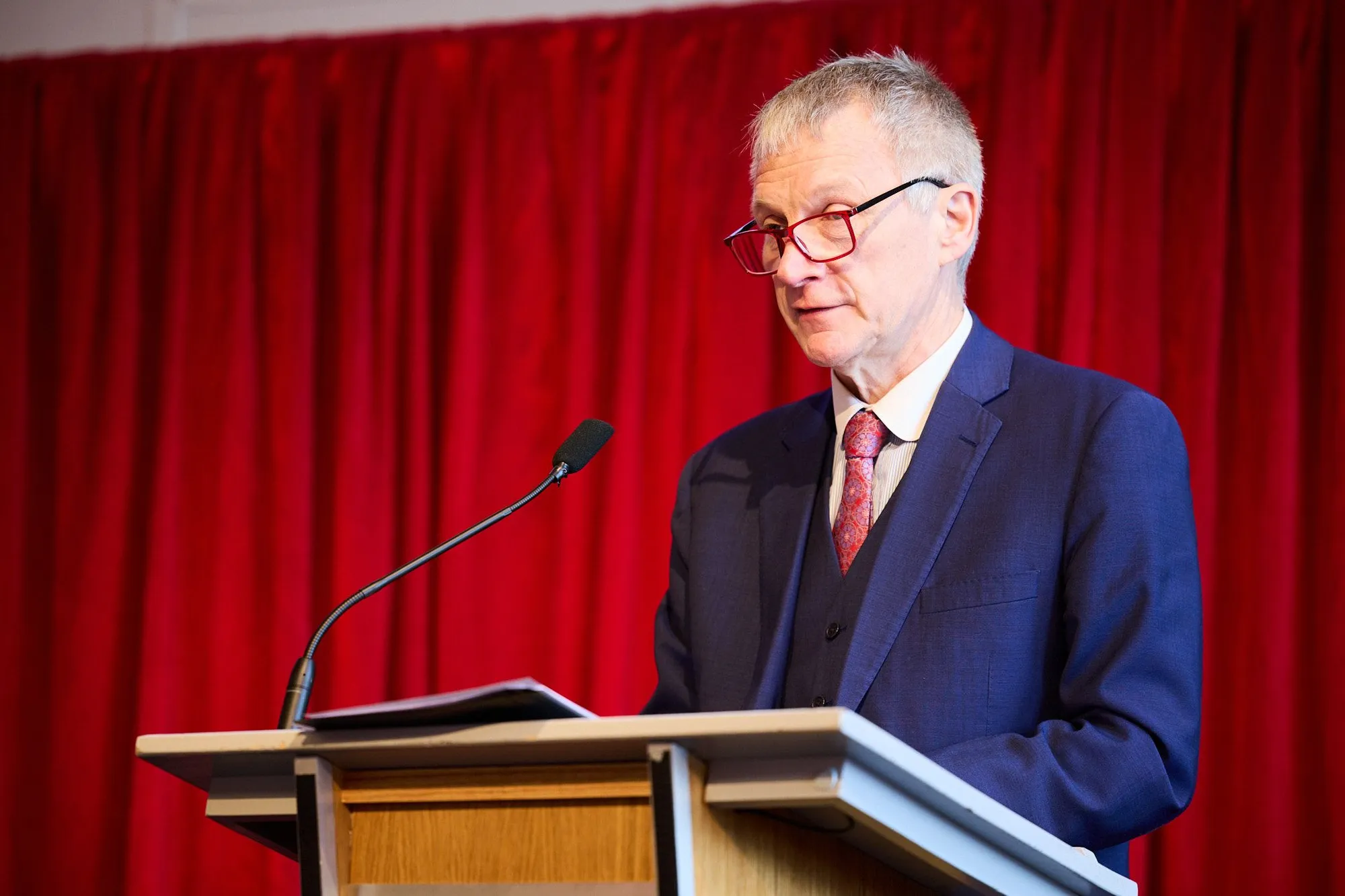
The point was reflected at the Public Sector Data & AI Summit 2026, hosted by Holyrood Events at Dynamic Earth, where Ivan McKee MSP and now Cabinet Secretary for Public Service Reform, Scottish Government referenced findings from the AI readiness of UK Local Authorities (2025) report produced by GoLLM in collaboration with Dr Luciana Blaha, lead of Heriot-Watt University’s Intelligent Automation Systems Lab:
"A recent report from Heriot-Watt University and GoLLM shows that Scotland's local authorities are amongst the most AI-ready in the UK, benefiting from shared standards and reserves of pooled expertise. It specifically identifies the capability provided by the Data Maturity Programme, and we should take the time to be proud of that and the progress each organisation has made."
This recognition matters because AI readiness is not simply a measure of enthusiasm or experimentation. It reflects whether institutions have the data, governance, and capability required to deploy AI responsibly and effectively. Without that foundation, even the strongest strategies struggle to translate into real outcomes.
From Strategy to Practical Delivery
The publication of the strategy is therefore not the end point; it is the prelude to a delivery phase. As with any national AI strategy, the decisive question is how ambition becomes measureable, practical progress: how public bodies identify the right use cases, how they make responsible use of the data they already hold, and how they turn readiness into better services and stronger evidence for decision-making.
That is where GoLLM’s work is focussed.
Our platform D.A.V.E. helps organisations turn complex feedback, consultation and survey data into structured, decision-ready insight. For public sector organisations already investing in data maturity and AI Readiness, tools like D.A.V.E. can help convert that capability into practical outcomes: clearer reporting, faster analysis, and better evidence for decision-making.
Contributing to Scotland’s AI Ecosystem
GoLLM has also contributed to wider discussions about how Scotland can coordinate and scale its AI ecosystem. Earlier this year, CEO Daniel Shorr was invited to participate as an expert contributor in a Scottish Government-commissioned exercise led by The Data Lab and Optimat, exploring whether Scotland should establish a dedicated AI Cluster Management Organisation (CMO).
AI has been identified as a horizontal cluster for Scotland: an enabling layer that cuts across sectors such as life sciences, energy, financial services, creative industries and public services. Delivering on that potential requires coordination across government, academia, industry, infrastructure providers and the third sector.
The consultation brought together cross-sector expertise to consider whether there is a clear need and an appetite for a Scottish AI Cluster, what principles and priorities should guide it, and what kind of operating model could support long-term adoption and impact. GoLLM contributed across that process, bringing the perspective of an earlier-stage Scottish AI company working at the intersection of research, public sector need and practical deployment.

Turning Alignment into Impact
Taken together, these developments point to a clear moment of opportunity. Scotland now has a national AI strategy with strong intent, a public sector that is already demonstrating meaningful readiness, and an ecosystem actively considering how best to coordinate and scale adoption.
The task ahead is to turn that alignment into delivery.
Scotland’s AI opportunity will not be realised through technology adoption alone. It will depend on trusted, well-governed applications that help organisations make sense of complex information and act on it. That means moving beyond strategy documents and pilot activity towards practical tools, measurable progress and evidence-led decision-making.
GoLLM is proud to have contributed research and insight to this conversation. We are committed to supporting the practical work of making AI useful, trusted and impactful across Scotland’s public services and wider economy.